OIML BULLETIN - VOLUME LXVII - NUMBER 2 - April 2026
f o c u s p a p e r
Technical regulation for controlling air quality measurements in the United Arab Emirates
Preparation and implementation of Cabinet Resolution No. 86 of 2023
Amina Hassan Mohammad AlBastaki
Metrology Department, Ministry of Industry & Advanced Technology, United Arab Emirates
Citation: A.H.M. AlBastaki 2026 OIML Bulletin LXVII(2) 20260206
Introduction
The adoption of Cabinet Resolution No. 86 of 2023 in the United Arab Emirates marks a significant milestone in the development of the national environmental measurement system. The Resolution approved the Technical Regulation for Controlling Air Quality Measurements, aiming to ensure the accuracy and reliability of results produced by environmental monitoring stations and relevant laboratories. The implementation of the Regulation was carried out through three main phases: preparation, implementation planning, and execution and follow-up.
Phase 1: Preparing the legislation
The Ministry of Industry and Advanced Technology initiated the drafting of the regulation in line with the requirements of the National Measurement System and in coordination with key stakeholders in the air quality sector. These included the Ministry of Climate Change and Environment, the National Center of Meteorology, and local environmental authorities.
The regulation aimed to:
- Ensure the accuracy of air quality measurement instruments in laboratories and monitoring stations.
- Regulate proficiency testing programs through accredited providers.
- Require laboratories to obtain accreditation in accordance with the international standard ISO/IEC 17025.
- Ensure that all measuring instruments are calibrated with valid certificates issued by accredited calibration laboratories.
This legislative framework has strengthened the National Air Quality Agenda and enhanced the reliability and comparability of environmental data at the national level.
Phase 2: Communication and preparing implementation
Following the official adoption and publication of the Resolution, it was circulated to the competent authorities, and a dedicated task force was formed to develop an implementation plan. The plan included launching proficiency testing programs across three categories:Indoor air quality testing laboratories.
- Indoor air quality testing laboratories
- Outdoor air quality testing laboratories.
- Environmental Air Quality monitoring stations operated by local authorities.
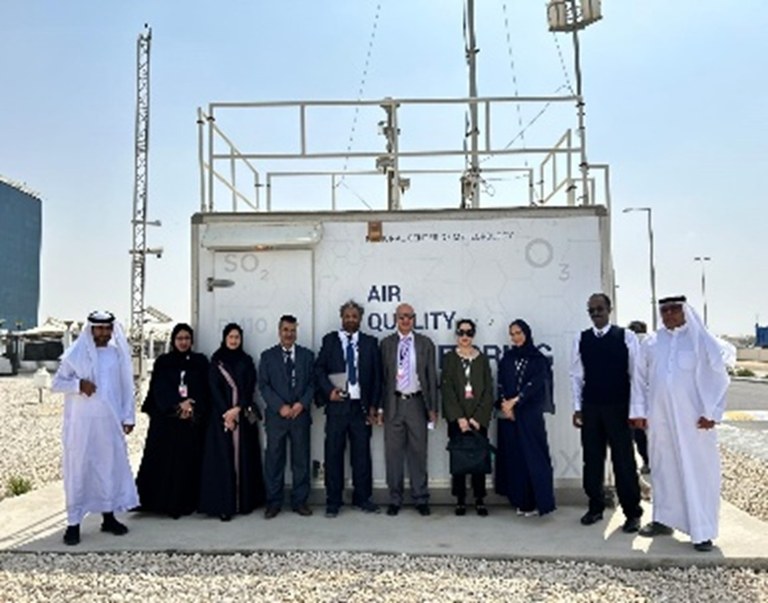
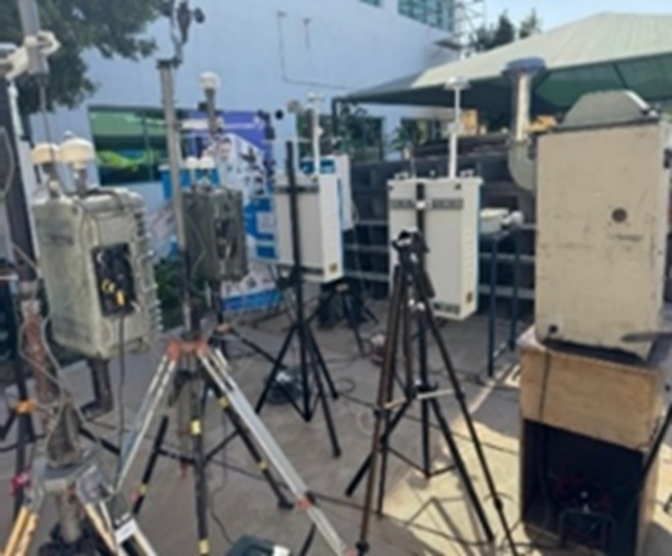
Introductory workshops were organized to explain the requirements of the regulation and clarify roles and responsibilities. In addition, a comprehensive inventory of environmental monitoring stations across the country was conducted. Initial findings revealed that a proportion of measuring instruments were not calibrated. Through coordinated efforts with the relevant entities, corrective actions were taken, resulting in a 100% calibration rate for all devices.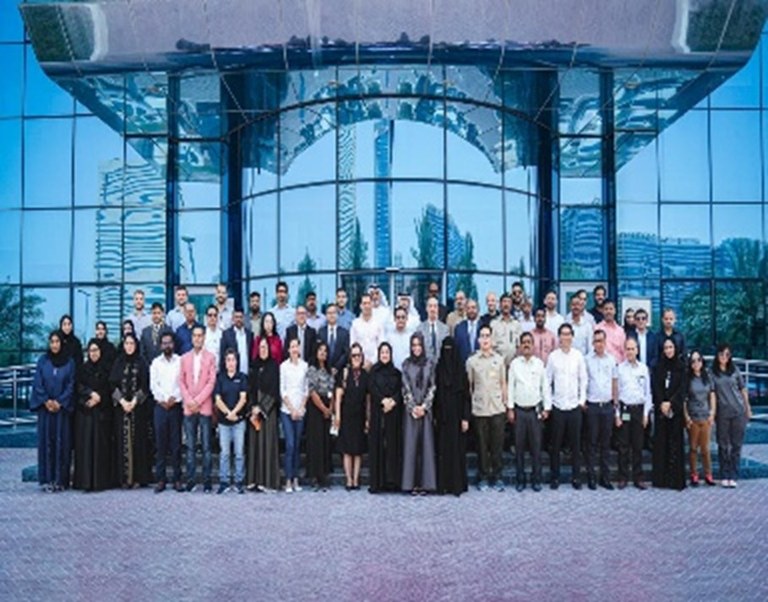
Phase 3: Implementation and proficiency testing
The programs were implemented in stages, yielding the following results:
- Indoor air quality laboratories: Achieved a 98% conformity rate, reflecting a high level of compliance.
- Outdoor air quality laboratories: Achieved an 88% conformity rate, with some non-acceptable results that required corrective actions.
Recorded an overall average conformity rate of 91% across various measurement parameters, with implementation ongoing in some Emirates.
Conclusion
The implementation of Cabinet Resolution No. 86 of 2023 in the United Arab Emirates has established a unified and robust national system for air quality measurement and monitoring. By harmonizing measurement methodologies in accordance with international standards, enhancing the competence of laboratories and monitoring stations, and ensuring the availability of reliable scientific data to support environmental decision-making, the Resolution reinforces the UAE’s leadership in environmental governance and sustainability.
This initiative reflects the country’s firm commitment to advancing environmental management, safeguarding public health, and improving quality of life, thereby consolidating its position as a regional and global model in environmental governance and legal metrology.