OIML BULLETIN - 2026 - VOLUME LXVII - NUMBER 2
f o c u s p a p e r
The importance of metrology in the fishing industry
Sean Daly
Sea Fisheries Protection Authority (SFPA), Ireland
Citation: S. Daly 2026 OIML Bulletin LXVII(2) 20260209
Supporting sustainability in Ireland's sea-fisheries and seafood sector
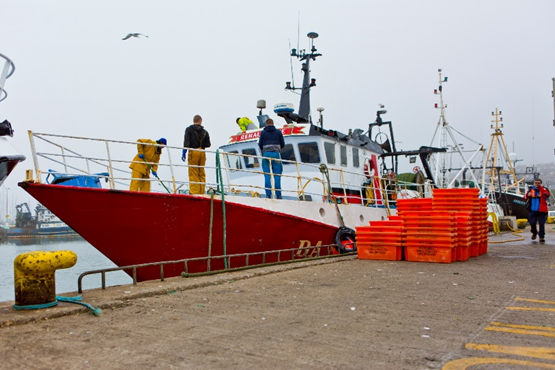
Metrology is essential in the fishing industry because it makes measurements accurate, traceable, and consistent, which supports fair compliance checks, reliable landings data, and better decisions on catch limits and stock management.
The Sea-Fisheries Protection Authority (SFPA) is the key Irish authority enforcing sea-fisheries and seafood safety law, with a stated focus on sustainability, compliance, and transparent regulation. Its weighing controls are a practical example of metrology in action, because accurate weighing is used to verify compliance and ensure landed products are reported correctly.
In Irish legislation, an operator shall not use any equipment or system for weighing a fishery product unless it is approved by the NSAI Legal Metrology Service and the SFPA.
In Ireland, the SFPA’s role in weighing approval and landed-product controls shows how measurement underpins accurate reporting and sustainable sea-fisheries governance.
In practice, this means metrology helps the SFPA and the wider fisheries system do three things well: verify catches, protect stocks, and support a fair seafood market. That makes measurement not just a technical issue, but a foundation for governance, sustainability, and climate resilience.
Why measurement matters
Accurate measurement is the basis for knowing how much fish is actually landed, sampled, or discarded. Without trustworthy weights and lengths, stock assessments can be distorted, which weakens the scientific advice used to judge whether fishing pressure is sustainable.
Traceability matters because measurements must be linked to approved instruments, procedures, and records. This creates confidence that reported data can be audited and compared over time, which is vital for regulation, enforcement, and industry credibility.
Fish stock reporting
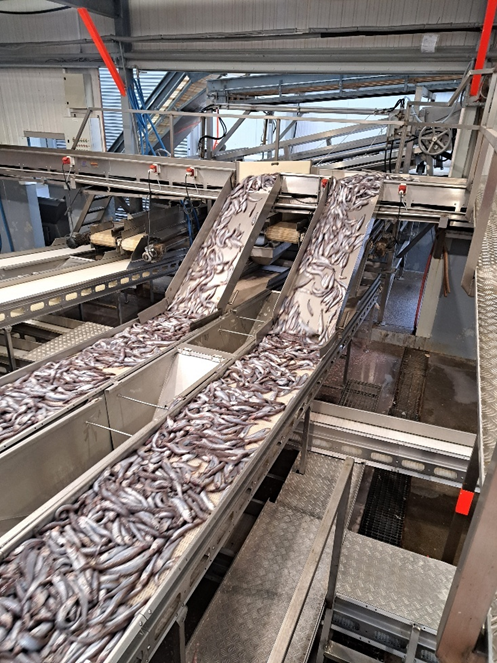
Measurement data feed directly into fish stock assessment because agencies use landings, discard sampling, and survey data to estimate biomass and fishing mortality. Stock assessments rely on sampled landings and at-sea data, and those data are then used to determine how much can be safely removed from a stock.
For reporting on fish stock levels, good metrology improves the quality of every step: sample weighing, length measurement, catch recording, and trend analysis. That makes the resulting reports more defensible for managers, scientists, and policymakers.
Sustainability and climate action
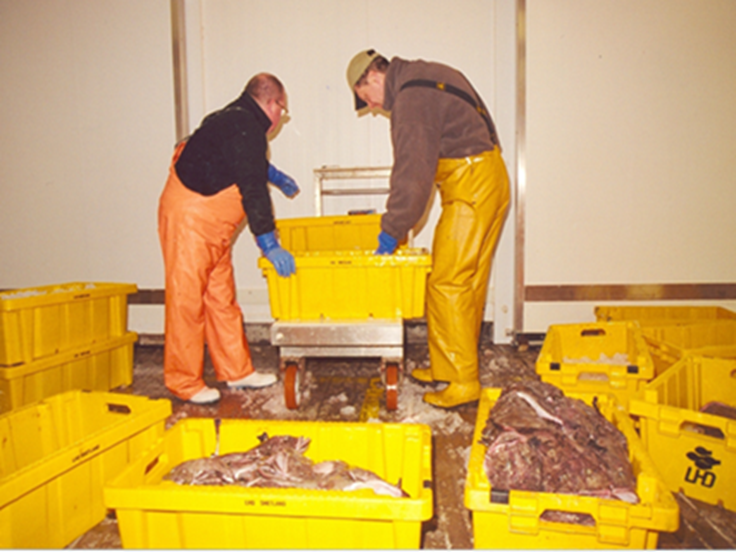
Sustainability depends on measuring what is taken from the sea and how stocks are changing over time. Reliable measurement data help identify overfishing risks, support quota decisions, and show whether management measures are working. In practice , that means better data for quotas , gear rules, monitoring and climate reporting , which helps fisheries reduce waste and adapt to changing ocean conditions.
Metrology also supports climate action because changing sea temperatures and marine conditions are affecting fish distribution and abundance, so long-term datasets need to be consistent and comparable. Ongoing sampling, data gathering, and monitoring are essential to understanding environmental stress on marine ecosystems.